Euro Arms Pipeline to Middle East

Making a Killing: The 1.2 Billion Euro Arms Pipeline to Middle East

An unprecedented flow of weapons from Central and Eastern Europe is flooding the battlefields of the Middle East.

Lawrence Marzouk, Ivan Angelovski and Miranda Patrucic BIRN Belgrade, London, Sarajevo

BalkanInsight: As Belgrade slept on the night of November 28, 2015, the giant turbofan engines of a Belarusian Ruby Star Ilyushin II-76 cargo plane roared into life, its hull laden with arms destined for faraway conflicts.

Rising from the tarmac of Nikola Tesla airport, the hulking aircraft pierced the Serbian mist to head towards Jeddah, Saudi Arabia.

It was one of at least 68 flights that in just 13 months transported weapons and ammunition to Middle Eastern states and Turkey which, in turn, funnelled arms into brutal civil wars in Syria and Yemen, the Balkan Investigative Reporting Network, BIRN, and the Organized Crime and Corruption Reporting Project, OCCRP, has found. The flights form just a small part of €1.2 billion in arms deals between the countries since 2012, when parts of the Arab Spring turned into an armed conflict.


Belgrade Airport | BIRN

Meanwhile, over the past two years, as thousands of tonnes of weapons fly south, hundreds of thousands of refugees have fled north from the conflicts that have killed more than 400,000 people. But while Balkan and European countries have shut down the refugee route, the billion-euro pipeline sending arms by plane and ship to the Middle East remains open – and very lucrative.

It is a trade that is almost certainly illegal, according to arms and human rights experts.

“The evidence points towards systematic diversion of weapons to armed groups accused of committing serious human rights violations. If this is the case, the transfers are illegal under the ATT (United Nations’ Arms Trade Treaty) and other international law and should cease immediately,” said Patrick Wilcken, an arms-control researcher at Amnesty International who reviewed the evidence collected by reporters.

But with hundreds of millions of euros at stake and weapons factories working overtime, countries have a strong incentive to let the business flourish. Arms export licences, which are supposed to guarantee the final destination of the goods, have been granted despite ample evidence that weapons are being diverted to Syrian and other armed groups accused of widespread human rights abuses and atrocities.

Robert Stephen Ford, US ambassador to Syria between 2011 and 2014, told BIRN and the OCCRP that the trade is coordinated by the US Central Intelligence Agency, CIA, Turkey and Gulf states through centres in Jordan and Turkey, although in practice weapon supplies often bypass this process.

BIRN and the OCCRP examined arms export data, UN reports, flight records, and weapons contracts during a year-long investigation that reveals how thousands of assault rifles, mortar shells, rocket launchers, anti-tank weapons, and heavy machine guns are pouring into the troubled region, originating from Bosnia and Herzegovina, Bulgaria, Croatia, the Czech Republic, Montenegro, Romania,  Serbia and Slovakia.

Read all the documents used in the investigation at BIRN’s online library BIRN Source.

Since the escalation of the Syrian conflict in 2012, these eight countries have approved the shipment of weapons and ammunition worth at least 1.2 billion euros to Saudi Arabia, Jordan, United Arab Emirates, and Turkey.

The figure is likely much higher. Data on arms export licences for four out of eight countries were not available for 2015 and seven out of eight countries for 2016. The four recipient countries are key arms suppliers to Syria and Yemen with little or no history of buying from Central and Eastern Europe prior to 2012. And the pace of the transfers is not slowing, with some of the biggest deals approved in 2015.

Eastern and Central European weapons and ammunition, identified in more than 50  videos and photos posted on social media, are now in use by Western-backed Free Syrian Army units, but also in the hands of fighters of Islamist groups such as Ansar al-Sham, Al Qaeda-affiliated Jabhat al-Nusra, the Islamic State of Iraq and the Levant, ISIS, in Syria, factions fighting for Syrian President Bashar-al Assad and Sunni forces in Yemen.

On April 7, 2016, twitter User @bm27_uragan, who monitors the spread of weapons in the Syrian conflict, posted a video apparently of Free Syrian Army rebel using Serbian made Coyote M02 heavy machine gun in Southern Aleppo in Syria. The Coyote M02 has been independently identified as a Coyote M02.

Markings on some of the weapons identifying the origin and date of production reveal significant quantities have come off production lines as recently as 2015.

Out of the 1.2 billion euros in weapons and ammunition approved for export, about 500 million euros have been delivered, according to UN trade information and national arms export reports.

The frequency and number of cargo flights – BIRN and the OCCRP identified at least 68 in just over one year – reveal a steady flow of weapons from Central and Eastern Europe airports to military bases in Middle East.

The most commonly used aircraft – the Ilyushin II-76 – can carry up to 50 tonnes of cargo or approximately 16,000 AK-47 Kalashnikov rifles or three million bullets. Others, including the Boeing 747, are capable of hauling at least twice that amount.

But arms and ammunitions are not only coming by air. Reporters also have identified at least three shipments made by the US military from Black Sea ports carrying an estimated 4,700 tonnes of weapons and ammunition to the Red Sea and Turkey since December 2015.

One Swedish member of the EU parliament calls the trade shameful.

“Maybe they –[Bulgaria, Slovakia and Croatia] – do not feel ashamed at all but I think they should,” said Bodil Valero, who also served as the rapporteur for the EU’s last arms report.“Countries selling arms to Saudi Arabia or the Middle East-North Africa region are not carrying out good risk assessments and, as a result, are in breach of EU and national law.”.

OCCRP and BIRN talked to government representatives in Croatia, Czech Republic, Montenegro, Serbia, and Slovakia who all responded similarly saying that they are meeting their international obligations. Some cited that Saudi Arabia is not on any international weapons black lists and other said their countries are not responsible if weapons have been diverted.

A question of legality

The global arms trade is regulated by three layers of interconnected legislation — national, European Union, EU, and international – but there are no formal mechanisms to punish those who break the law.

Beyond the blanket ban on exports to embargoed countries, each licence request is dealt with individually.

In the case of Syria, there are currently no sanctions on supplying weapons to the opposition.

As a result, the lawfulness of the export approval hinges on whether countries have carried out due diligence on a range of issues, including the likelihood of the arms being diverted and the impact the export will have on peace and stability.

Bosnia and Herzegovina, Bulgaria, Croatia, the Czech Republic, Montenegro, Romania, Serbia and Slovakia are signatories of the UN’s Arms Trade Treaty, which entered into force in December 2014, and lists measures to prevent the illicit trade and diversion of arms.

Member states of the EU are also governed by the legally-binding 2008 Common Position on arms exports, requiring each country to take into account eight criteria when accessing arms exports licence applications, including whether the country respects international human rights, the preservation of “regional peace, security and stability” and the risk of diversion.

As part of their efforts to join the EU, Bosnia and Herzegovina and Montenegro have already accepted the measures and have amended their national law. Serbia is in the process of doing so.

Weapons exports are initially assessed based on an end-user certificate, a key document issued by the government of the importing country which guarantees who will use the weapons and that the arms are not intended for re-export.

Authorities in Central and Eastern Europe told BIRN and the OCCRP that they also inserted a clause which requires the buyer to seek approval if they later want to export the goods.

Beyond these initial checks, countries are required to carry out a range of other risk assessments based on national and EU law and the ATT, although conversations with, and statements from, authorities revealed little evidence of that.

OCCRP and BIRN talked to government representatives in Croatia, Czech Republic, Montenegro, Serbia, and Slovakia who all responded similarly saying that they are meeting their international obligations. Some cited that Saudi Arabia is not on any international weapons black lists and other said their countries are not responsible if weapons have been diverted. The three other countries did not respond to requests for comment.

The Czech Foreign Ministry was the only public body to directly address concerns about human rights abuses and diversions, saying it took into account both when weighing up an export licence and had blocked transfers on that basis.

How legal are these arms sales to the Middle East? Find out more here

Saudi Arabia – The weapons king

The Central and Eastern European weapons supply line can be traced to the winter of 2012, when dozens of cargo planes, loaded with Saudi-purchased Yugoslav-era weapons and ammunition, began leaving Zagreb bound for Jordan. Soon after, the first footage of Croatian weapons in use emerged from the battleground of Syria.

According to a New York Times report from February 2013, a senior Croatian official offered the country’s stockpiles of old weapons for Syria during a visit to Washington in the summer of 2012. Zagreb was later put in touch with the Saudis, who bankrolled the purchases, while the CIA helped with logistics for an airlift that began late that year.

While Croatia’s government has consistently denied any role in shipping weapons to Syria, former US ambassador to Syria Ford confirmed to BIRN and the OCCRP the New York Times account from an anonymous source of how the deal was hatched. He said he was not at liberty to discuss it further.

This was just the beginning of an unprecedented flow of weapons from Central and Eastern Europe into the Middle East, as the pipeline expanded to include stocks from seven other countries. Local arms dealers sourced arms and ammunition from their home countries and brokered the sale of ammunition from Ukraine and Belarus, and even attempted to secure Soviet-made anti-tank systems bought from the UK, as a Europe-wide arms bazaar ensued.

Prior to the Arab Spring in 2011, the arms trade between Eastern Europe and Saudi Arabia, Jordan, the United Arab Emirates, UAE, and Turkey – four key supporters of Syria’s fractured opposition – was negligible to non-existent, according to analysis of export data.

But that changed in 2012. Between that year and 2016, eight Eastern European countries approved at least 806 million euros worth of weapons and ammunition exports to Saudi Arabia, according to national and EU arms export reports as well as government sources.

Jordan secured export licences worth 155 million euros starting in 2012, while the UAE netted 135 million euros and Turkey 87 million euros, bringing the total to 1.2 billion euros.

Qatar, another key supplier of equipment to the Syrian opposition, does not show up in export licences from Central and Eastern Europe.

Jeremy Binnie, Middle East arms expert for Jane’s Defence Weekly, a publication widely regarded as the most trusted source of defence and security information, said the bulk of the weapon exports from Eastern Europe would likely be destined for Syria and, to a lesser extent, Yemen and Libya.

“With a few exceptions, the militaries of Saudi Arabia, Jordan, the UAE and Turkey use Western infantry weapons and ammunition, rather than Soviet-designed counterparts,” said Binnie. “It consequently seems likely that large shipments of such materiel being acquired by – or sent to – those countries are destined for their allies in Syria, Yemen, and Libya.”

BIRN and the OCCRP obtained confidential documents from Serbia’s Ministry of Defence and minutes from a series of inter-ministerial meetings in 2013. The documents show the ministry raised concerns that deliveries to Saudi Arabia would be diverted to Syria, pointing out that the Saudis do not use Central and Eastern European stock and have a history of supplying the Syrian opposition. The Ministry turned down the Saudi request only to reverse course more than one year later and approve new arms shipments citing national interest. Saudi security forces, while mostly armed by Western producers, are known to use limited amounts of Central and Eastern European equipment. This includes Czech-produced military trucks and some Romanian-made assault rifles. But even arms exports destined for use by Saudi forces are proving controversial, given their involvement in the conflict in Yemen.

The Netherlands became the first EU country to halt arms exports to Saudi Arabia as a result of civilian deaths in Yemen’s civil war, and the European Parliament has called for an EU-wide arms embargo.

Supply Logistics: Cargo flights and airdrops

Weapons from Central and Eastern Europe are delivered to the Middle East by cargo flights and ships. By identifying the planes and ships delivering weapons, reporters were able to track the flow of arms in real time.

Detailed analysis of airport timetables, cargo carrier history, flight tracking data, and air traffic control sources helped pinpoint 68 flights that carried weapons to Middle Eastern conflicts in the past 13 months.  Belgrade, Sofia and Bratislava emerged as the main hubs for the airlift.

Most frequent were flights operated from Belgrade, the capital of Serbia. The flights were either confirmed as carrying weapons, were headed to military bases in Saudi Arabia or the UAE or were carried out by regular arms shippers.

The Middle East Airlift 

At least 68 cargo flights from Serbia, Slovakia, Bulgaria and the Czech Republic have carried thousands of tons of munitions in the past 13 months to Saudi Arabia, the United Arab Emirates, and Jordan, three key suppliers of the Syrian rebels.

These were identified through detailed analysis of airport timetables, cargo carrier history, flight tracking data, leaked arms contracts, end user certificates, and air traffic control sources.

Cargo flights from Central and Eastern Europe to the Middle East, and particularly military bases, were extremely uncommon before late 2012, when the upsurge in weapons and ammunition purchases began, according to EU flight data and interviews with plane-spotters.

The most commonly used aircraft – the Ilyushin II-76 – can carry up to 50 tonnes of cargo or approximately 16,000 AK-47 Kalashnikov rifles or three million bullets. Others, including the Boeing 747, are capable of hauling at least twice that amount.

Of the 68 flights identified, 50 were officially confirmed to have carried arms and ammunition:

  • Serbia’s Civil Aviation Directorate confirmed that 49 flights departing or passing through Serbia were carrying arms and ammunition from June 1, 2015 to July 4, 2016. The confirmation came following weeks of refusal to comment on grounds of confidentiality and after BIRN and the OCCRP presented its evidence, including photographs showing military boxes being loaded onto planes at Belgrade’s Nikola Tesla Airport on four different occasions.
  • An official at the Bulgarian National Customs Agency confirmed one flight, operated by Belarussian cargo carrier Ruby Star Airways, was carrying arms from the remote Bulgarian Gorna Oryahovitsa Airport to Brno–Turany Airport, the Czech Republic, and on to Aqaba, Jordan.
  • An additional 18 flights were identified as very likely to have been carrying arms and ammunition based on one of three variables: the air freight company’s history of weapons supplies; connections to earlier arms flights; or a destination of a military airport:
    • Ten flights were made to Prince Sultan Air Base in Al Kharj, Saudi Arabia and Al Dhafra Air Base in Abu Dhabi, United Arab Emirates, indicating the likely presence of weapons or ammunition. Additionally, 14 flights to Prince Sultan and Al Dhafra air bases are confirmed as having carried weapons during the same period by Serbia’s Civil Aviation Directorate.
    • Seven flights were operated from Slovakia and Bulgaria by Jordan International Air Cargo, part of the Royal Jordanian Air Force, which were revealed to have carried weapons and ammunition from Croatia to Jordan in the winter of 2012. Bulgarian retired colonel and counter-terrorism expert Slavcho Velkov, who maintains extensive contacts with the military, told BIRN and the OCCRP that the Sofia-Amman flights “were transporting weapons to Saudi Arabia, mostly for the Syrian conflict.” Additionally, one other flight operated by this airline is confirmed as having carried weapons during the same period by Serbia’s Civil Aviation Directorate.
    • One flight was operated by a Belarussian cargo carrier TransAVIAexport Airlines, which has a long history of transporting weapons.  In 2014, the airline was hired by Serbian arms dealer Slobodan Tesic to transport Serbian and Belarussian weapons and ammunition to air bases in Libya controlled by various militant groups. The United Nations, UN, Sanctions Committee investigated the case and found potential breaches of UN sanctions, according to a 2015 UN report. Additionally, five flights operated by this airline are confirmed as having carried weapons during the same period by Serbia’s Civil Aviation Directorate.

Many of these flights made an additional stop in Central and Eastern Europe – meaning they were likely picking up more weapons and ammunition – before flying to their final destination.

EU flight statistics provide further evidence of the scale of the operation. They reveal that planes flying from Bulgaria and Slovakia have delivered 2,268 tons of cargo – equal to 44 flights with the most commonly used aircraft – the Ilyushin II-76 – since the summer of 2014 to the same military bases in Saudi Arabia and UAE pinpointed by BIRN and OCCRP.

Distributing the weapons

Arms bought for Syria by the Saudis, Turks, Jordanians and the UAE are then routed through two secret command facilities – called Military Operation Centers (MOC) – in Jordan and Turkey, according to Ford, the former US ambassador to Syria.

These units – staffed by security and military officials from the Gulf, Turkey, Jordan and the US – coordinate the distribution of weapons to vetted Syrian opposition groups, according to information from the Atlanta-based Carter Center, a think tank that has a unit monitoring the conflict.

“Each of the countries involved in helping the armed opposition retained final decision-making authority about which groups in Syria received assistance,” Ford said.

A cache of leaked cargo carrier documents provides further clues to how the Saudi military supplies Syrian rebels.

According to the documents obtained by BIRN and the OCCRP, the Moldovan company AeroTransCargo made six flights in the summer of 2015 carrying at least 250 tonnes of ammunition between military bases in Saudi Arabia and Esenboga International Airport in Ankara, the capital of Turkey, reportedly an arrival point for weapons and ammunition for Syrian rebels.

Pieter Wezeman, of the Stockholm International Peace Research Institute, a leading organisation in tracking arms exports, said he suspects the flights are part of the logistical operation to supply ammunition to Syrian rebels.

From the MOCs, weapons are then transported by road to the Syrian border or airdropped by military planes.

A Free Syrian Army commander from Aleppo, who asked to remain anonymous to protect his safety, told BIRN and OCCRP that weapons from Central and Eastern Europe were distributed from centrally controlled headquarters in Syria. “We don’t care about the county of origin, we just know it is from Eastern Europe,” he said.

The Saudis and Turks also provided weapons directly to Islamist groups not supported by the US and who have sometimes ended up fighting MOC-backed factions, Ford added.

The Saudis are also known to have airdropped arms and equipment, including what appeared to be Serbian-made assault rifles to its allies in Yemen.

Ford said that while he was not personally involved in negotiations with Serbia, Bulgaria and Romania over the supply of weapons to Syria, he believes that the CIA is likely to have played a role.

“For operations of this type it would be difficult for me to imagine that there wasn’t some coordination between the intelligence services, but it may have been confined strictly to intelligence channels,” he said.

The US may not have just played a role in the logistics behind delivering Gulf-sponsored weapons from Eastern Europe to the Syrian rebels. Through its Department of Defense’s Special Operations Command (SOCOM), it has also bought and delivered vast quantities of military materiel from Eastern Europe for the Syrian opposition as part of a US$500 million train and equip programme.

Since December 2015, SOCOM has commissioned three cargo ships to transport 4,700 tons of arms and ammunition from ports of Constanta in Romania and Burgas in Bulgaria to the Middle East likely as part of the covert supply of weapons to Syria.

The shipments included heavy machine guns, rocket launchers and anti-tank weapons – as well as bullets, mortars, grenades, rockets and explosives, according to US procurement documents.

The origin of arms shipped by SOCOM is unknown and the material listed in transport documents is available from stockpiles across Central and Eastern Europe.

Not long after one of the deliveries, SOCOM supported Kurdish groups published an image on Twitter and Facebook showing a warehouse piled with US-brokered ammunition boxes in northern Syria SOCOM would not confirm or deny that the shipments were bound for Syria.

US procurement records also reveal that SOCOM secured from 2014 to 2016 at least 25 million euros (27 million dollars) worth of Bulgarian and 11 million euros (12 million dollars) in Serbian weapons and ammunition for covert operations and Syrian rebels..

A Booming Business

Arms control researcher Wilcken said Central and Eastern Europe had been well positioned to cash in on the huge surge in demand for weapons following the Arab Spring.

“Geographical proximity and lax export controls have put some Balkan states in pole position to profit from this trade, in some instances with covert US assistance,” he added. “Eastern Europe is rehabilitating Cold War arms industries which are expanding and becoming profitable again.”

Serbian Prime Minister Aleksandar Vucic boasted recently that his country could produce five times the amount of arms it currently makes and still not meet the demand.

“Unfortunately in some parts of the world they are at war more than ever and everything you produce, on any side of the world you can sell it,” he said.

Arms manufacturers from Bosnia and Herzegovina and Serbia are running at full capacity with some adding extra shifts and others not taking new orders.

Saudi Arabia’s top officials – more used to negotiating multi-billion-dollar fighter-jet deals with Western defence giants – have been forced to deal with a handful of small-time arms brokers operating in Eastern Europe who have access to weapons such as AK-47s and rocket launchers

Middlemen such as Serbia’s CPR Impex and Slovakia’s Eldon have played a critical role in supplying weapons and ammunition to the Middle East

The inventory of each delivery is usually unknown due to the secrecy surrounding arms deals but two end-user certificates and one export licence, obtained by BIRN and the OCCRP, reveal the extraordinary scope of the buy-up for Syrian beneficiaries.

For example, the Saudi Ministry of Defence expressed its interest in buying from Serbian arms dealer CPR Impex a number of weapons including hundreds of aging T-55 and T-72 tanks, millions of rounds of ammunition, multi-launch missile systems and rocket launchers. Weapons and ammunition listed were produced in the former Yugoslavia, Belarus, Ukraine, and the Czech Republic.

An export licence issued to a little-known Slovakian company called Eldon in January 2015 granted the firm the right to transport thousands of Eastern European rocket-propelled grenade launchers, heavy machine guns and almost a million bullets worth nearly 32 million euros to Saudi Arabia.

BIRN and OCCRP’s analysis of social media shows weapons that originated from the former states of Czechoslovakia and Yugoslavia, and Serbia, Croatia and Bulgaria are now present on the battlefields of Syria and Yemen.

While experts believe the countries continue to shirk their responsibility, the weapons pipeline adds more and more fuel to a white hot conflict that leads to more and more misery.

“Proliferation of arms to the region has caused untold human suffering; huge numbers of people have been displaced and parties to the conflict have committed serious human rights violations including   abductions, executions, enforced disappearances, torture and rape,” said Amnesty’s Wilcken.

Additional reporting by Atanas Tchobanov, Dusica Tomovic, Jelena Cosic, Jelena Svircic, Lindita Cela, RISE Moldova and Pavla Holcova.

This investigation is produced by BIRN as a part of Paper Trail to Better Governance project.


bin Ladin Just Recorded an Audio Message, What?

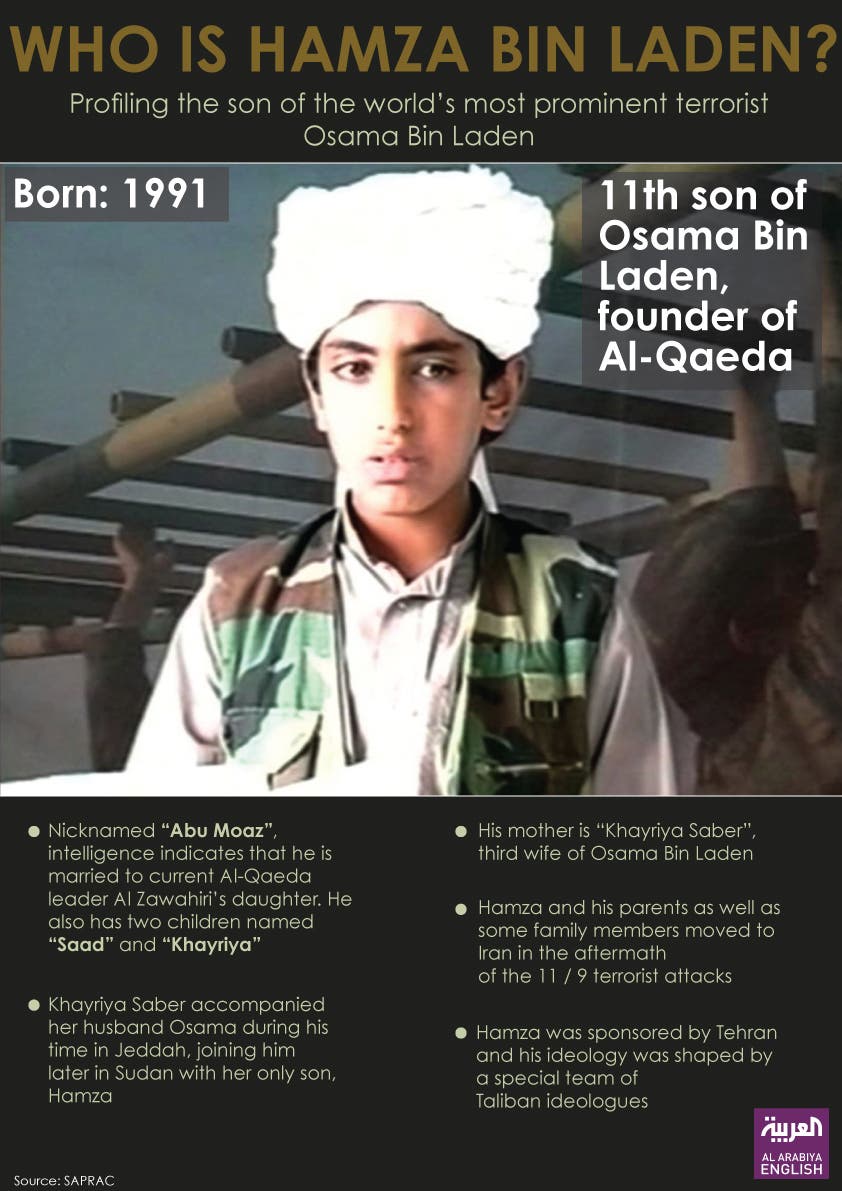
Message from Bin Laden’s son exposes ‘Iran’s revival of al-Qaeda’

al-Arabiya: An audio message released recently by Osama Bin Laden’s son Hamza has signaled the “continuation of Iranian sponsorship” of terrorism within al-Qaeda, a report by a US-based think tank has found.

 It is also important to note, Hamza has brothers.

In the message released on May 9 and titled “Jerusalem is but a bride, and her dowry is blood,” Hamza called on all Syrian militant groups to unite and “liberate Palestine.”

According to a report released this week by SAPRAC, the Saudi American Public Relations Affairs Committee, “Al-Qaeda observers believe the new message released by Hamza Bin Laden signals the continuation of Iranian sponsorship of Bin Laden’s son, which started after the tragic events of 9 / 11.

“Blatantly defying world powers, Tehran hosted Hamza Bin Laden and provided him with necessary security, according to many intelligence agencies across the world.”

Believed to be 24 or 25 years old, Hamza is expected by experts to potentially become the next al-Qaeda leader

The SAPRAC report added that on March 16, before the release of the audio message,” American intelligence declassified 113 hand written messages by Osama Bin Laden. These included instructions on how Al-Qaeda should deal with Iran.”

The messages also revealed that Bin Laden said Iran is ‘the chief pathway for our money, men, communiqué, and hostages”.

Bin Laden also urged his men “not to start a front against Iran.”

According to SAPRAC, “this confirms the strong and warming ties between Al-Qaeda and the Islamic Republic of Iran.”

Infographic: Who is Hamza Bin Laden. (Al Arabiya English)

Three senior al-Qaeda members linked to Iran

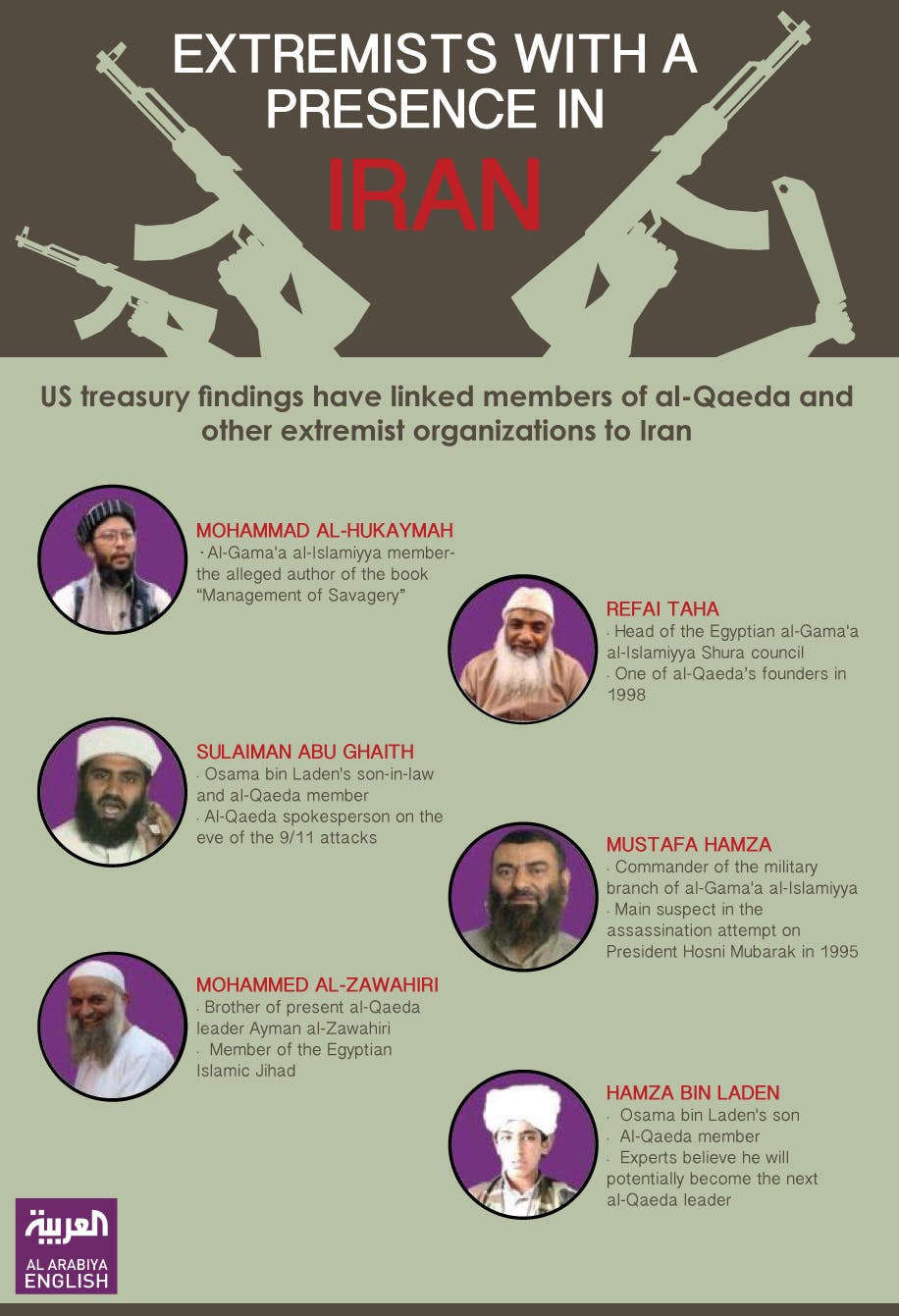
The United States recently imposed sanctions on three senior al-Qaeda members living in Iran, shining a brighter spotlight on Tehran’s involvement in violent extremism in the region.

The US Treasury department specifically designated Faisal Jassim Mohammed Al-Amri Al-Khalidi, Yisra Muhammad Ibrahim Bayumi, and Abu Bakr Muhammad Muhammad Ghumayn as “Specially Designated Global Terrorists,” according to their findings published last week.

“Today’s action sanctions senior al-Qaeda operatives responsible for moving money and weapons across the Middle East,” Adam J. Szubin, Acting Under Secretary for Terrorism and Financial Intelligence, said in a statement.

Related reading: But John Kerry, Iran Does Support al Qaeda

“The Treasury remains committed to targeting al-Qaeda’s terrorist activity and denying al-Qaeda and its critical support networks access to the international financial system.”

Infographic: Extremists with a presence in Iran. (Al Arabiya English)

Al-Khalidi is a senior al-Qaeda official who was an emir of a brigade and part of a new generation of al-Qaida operatives, according to the US Treasury report. In May 2015, as al-Qaeda Military Commission Chief, he participated in an annual council meeting with other al-Qaeda commanders to discuss weapons acquisition.

As of 2011, al-Khalidi was responsible for liaising between al-Qaeda associates and al-Qaeda Central Shura members and leaders within the US-designated terrorist group Tehrik-e Taliban Pakistan.

The US also designated Bayumi for acting for or on behalf of al-Qaeda. He is a veteran al-Qaeda member who has been located in Iran since 2014 and a member of al-Qaeda since at least 2006.

Related reading: The PR and Resurgence of al Qaeda

As of mid-2015, Bayumi was reportedly involved in freeing al-Qaeda members in Iran. As of early 2015, he served as a mediator with Iranian authorities.

The third named operative, Ghumayn, is a senior leader who has served in several financial, communications, and logistical roles for the group. As of 2015, Ghumayn assumed control of the financing and organization of al-Qaeda members located in Iran.

On Tuesday, Iran denied the claims by Washington that the three senior al-Qaeda figures are based in the country, the official IRNA news agency reported.

Related reading: Palestinian Terrorism: No Different Than ISIS and Al Qaeda

Foreign Ministry spokesman Bahram Ghasemi was quoted as saying that Iran doesn’t have “any information about their presence on its soil.”

Revealing more Iran links

The recent sanctions come on the heels of documents leaked in March that reveal the level of ties between al-Qaeda and Iran, particularly on the situation in Iraq where the two sides allegedly sought to reach a deal.

One of those leaked documents was a letter written by an al-Qaeda operative in which he tells a fellow operative named Taqfik that he had met with someone in Tehran and that the Iranians wanted to build contacts with someone representing the “mayor,” a codename for former al-Qaeda Chief Osama bin Laden.

The trove of letters also revealed Bin Laden ordered his al-Qaeda deputies not to attack Iran, which he called a “main artery” for his organization’s operations.

The order was part of a collection of 112 letters taken from bin Laden’s compound by US special ops forces after he was killed in 2011.

Those documents also revealed further names of operatives with links to Iran:

Abu Hafs the Mauritanian

Status: Returned to Mauritania in 2012

He was Bin Laden’s religious adviser and al-Qaeda in Iran’s expert on Islamic law. His official name is Mahfouz Ould al-Walid.

Abu al-Kayr al-Masri

Status: Presumed to have at one point been in Iran. Released in prisoner exchange with al-Qaeda in 2015. Whereabouts unknown

He was the Chairman of al-Qaeda’s Management Council and former chief of foreign relations for al-Qaeda, including liaison to the Taliban. He is reported to have long-standing ties to current al-Qaeda leader Ayman al-Zawahiri.

Saif al-Adel

Status: Presumed to have at one point been in Iran. Released in prisoner exchange with al-Qaeda in 2015. Whereabouts unknown

He was a member of al-Qaeda’s Management Council and was involved in planning operations and directing al-Qaeda propaganda efforts. He was a former chief of military operations and worked closely with Abu Muhammad al-Masri. There is currently a $5mln reward for information leading to his capture.

Abu Muhammad al-Masri

Status: Presumed to be in Iran. Released in prisoner exchange with al-Qaeda in 2015. Whereabouts unknown

He was a member of al-Qaeda’s Management Council and is considered the “most experienced and capable operational planner” not in US or allied custody. He is former chief of training and worked closely with Saif al-Adel. $5 million reward for information leading to his capture.

Sulaiman Abu Ghaith

Status: He was captured and tried in US federal court in New York. Sentenced to life in prison.

He was a member of al-Qaeda’s Management Council and official spokesman for al-Qaeda before detention

Abu Dahhak, aka Ali Saleh Husain al-Tabuki

Status: Presumed to have at one point been in Iran

He is an al-Qaeda facilitator and former representative of Chechen mujahideen in Afghanistan

Abu Layth al-Libi, aka Ali Ammar Ashur al-Rufayi’l

Status: Killed in US drone strike

He was a paramilitary commander and active in Eastern Afghanistan and Pakistan-Afghanistan border region. He is said to exercise significant autonomy and enjoys long-standing ties to senior managers.

Abd al-Aziz al-Masri, aka Ali Sayed Muhammad Mustafa Al-Bakri

Status: Presumed to have at one point been in Iran

Al-Qaeda associate; senior poisons and explosives expert; involved in nuclear research since late 1990s; had close relationships with Saif al-Adel and Khalid Sheik Muhammad.

Abu Dujana al-Masri

Status: Presumed to have at one point been in Iran

Explosives instructor before detention. He was a member of Egyptian Islamic Jihad and is Zawahiri’s son-in-law

Muhammad Ahmad Shawqi al-Islambuli, aka Muhammad Ahmad Shawqi Islambouli

Status: Presumed to have at one point been in Iran

He was an al-Qaeda facilitator and senior member of Egyptian Al-Gamaat Al-Islamiyah. Has former ties to Iranian Ministry of Intelligence and is the brother of Anwar Sadat assassin Khalid al Islambuli.

Thirwat Shihata

Status: Has left Iran. Believed to have traveled to Libya

He is a former Zawahiri deputy and experienced operational planner. Considered as a respected among al-Qaeda rank and file with previous ties to Zarqawi.

Khalid al-Sudani

Status: Presumed to be in Pakistan, Jordan or Iran

Member of the al-Qaeda Shura Council.

Qassim al-Suri aka Yasin Baqush

Status: Presumed to have at one point been in Iran

Provides communications link between al-Qaeda leaders in Waziristan, Pakistan, and Iraq. Planning, coordinating attack plots in Europe with several al-Qaeda and al-Qaeda-affiliated cells. There is a $10mln reward for information leading to his capture

Ali Mujahid Tekushir

Status: Presumed to have at one point been in Iran

Provides explosives, computer and Internet training to al-Qaeda recruits. Facilitates movement of senior-level extremists from Iran into Iraq. Reports link him to plots against the New York subway system in December 2005.

Abu Talha Hamza al-Baluchi

Status: Presumed to have at one point been in Iran

Iran-based al-Qaeda facilitator

Jafar al Uzbeki, aka Jafar the Uzbek

Status: Presumed to have at one point been in Iran

Representative of al-Qaeda senior leadership working to negotiate the release of al-Qaeda members held by Iran

Anas al Liby, aka Abu Anas al-Libi

Status: Captured by US commandos in Libya but died of liver cancer before he was able to stand trial in federal court in New York

Believed to have been involved in the 1998 East Africa bombings; senior member of al-Qaeda; member of Libyan Islamic Fighting Group security committee

The Desperation of Syrian Refugees

While reading this post, consider that world leaders and mostly pointing to Barack Obama, Hillary Clinton and John Kerry, the declared baton carriers of human rights have done nothing to stop the genocide of Bashir al Assad noting that any case of war crimes and or removal as a leader of Syria has gone no where.

There is no end in sight for this civil war to be over, yet it speaks nothing of refugees ever to return to a war torn country where there is no country left in which to return. This is now a generational condition. The next question is when does it end for the United States, for Europe and for Syrians?

Syrian refugee’s trek from Colombia to Texas stalls in limbo

PEARSALL, Texas (AP) – To reach the U.S. and claim asylum, all Maissoun Hanaa Halawi had to do was cross a continent by foot.

Her one choice: Traverse the remote, roadless, impenetrable Darien Gap, a 10,000-square-mile tropical forest and swampland along the border of Colombia and Panama that separates the two continents.

Halawi, her husband and a group of about 20 Indian, Middle Eastern and other asylum seekers faced a harsh reality. Not only do jaguars, scorpions, poisonous frogs and insects lie crouched in the shadows, paramilitary groups, traffickers and guerillas hide under the thick canopy’s shelter in this dangerous jungle.

“In the jungle, the fear – you can’t imagine it,” Halawi, a Syrian, told the Houston Chronicle (http://bit.ly/29iZfj3 ) in her accented but fluent English. “You don’t want anything except to get out. There’s no food. It’s a savage, wild jungle. We took our chances.”

She and her husband, a Syrian surgeon, knew the risks. But as refugees fleeing a war-torn country infiltrated by violent militant groups, the six-day journey wasn’t a choice. Halawi, her husband and the other desperate men and women paid the smuggler $500 a head. Before they set off into the Darien Gap, he gave them a final warning.

“Every time I’ve made this trip, I must lose one person,” Halawi remembered him saying as she wiped back tears.

There was no going back.

“Through these doors enter the finest ICE, DHS & GEO staff in the nation.”

Those words are posted at the entrance of the South Texas Detention Complex in Pearsall, just 60 miles southwest of San Antonio. The complex is owned by The GEO Group Inc. under contract by the U.S. Immigration and Customs Enforcement and the Department of Homeland Security.

Behind the barbed wire fence and through security checks at the entrance is a sprawling 238,000-square-foot complex that houses up to 1,904 men and women. Some are awaiting deportation. Others are stuck in limbo, counting the days for their asylum cases to be processed by ICE agents and the courts.

That’s where Halawi has been detained since Dec.??22, almost six months after turning herself over to border patrol agents at an international pedestrian bridge in Eagle Pass, two hours south of Pearsall. She was taken into custody alone.

The average length of stay in the Pearsall detention facility is, at most, 65 days, according to ICE.

A detention officer unlocks a heavy metal door. A slight woman with short brown hair and bright eyes enters the white cinder block room. Though she wears a hopeful smile, her face is creased with anxiety. A 46-year-old Halawi takes a seat at the metal table, yellow legal pad papers in one hand and a thick, brown accordion folder in the other.

“When the revolution started, I was first happy because I thought we would finally change the government that was ruling the country,” Halawi said of the Syrian government headed by President Bashar Al-Assad. “I didn’t know it would end in a sea of blood. Even today, I can’t believe what’s happened in Syria.”

An immigration judge will have the last word on whether to grant asylum or hand down a deportation order, and Halawi said she can’t face the thought of returning to Syria.

“I came here asking for help,” Halawi said. “I’m not a criminal.”

In a post-Paris attack world, European and U.S. governments are wary of refugees flowing from areas where the self-proclaimed Islamic State of Iraq and Syria, also known as ISIS, is active. U.S. governors of 31 states released public statements to the White House in November refusing to accept refugees, including Gov. Greg Abbott, who has been vocal about refugee vetting protocols and has publicly said that any incoming Syrians “could be connected to terrorism.”

Even with Abbott’s refusal of Syrian refugees, 152 were resettled in Texas between October and May????31 of the 1,865 Syrian refugees across the country, according to the U.S. Office of Refugee Resettlement. Between October 2014 and Sept. 30, 185 Syrian refugees were resettled in Texas.

Since the U.S. requires refugees to be outside of the states when filing a claim, Halawi is considered an asylum seeker. She is one of more than 1,000 Syrian nationals who have attempted to claim asylum since 2011, according to the U.S. Department of Justice. Only 248 of those cases were granted asylum by the end of the 2015 fiscal year.

Asylum seekers must prove they have a “credible fear” to be granted asylum, which includes a “significant possibility” of torture or a “well-founded” fear of persecution based on race, religion, nationality, political opinion or membership in a social group if returned to their country of origin.

“There are no words to describe the pain and fear we were living under. We hoped we would change the government, but then (ISIS) came into Aleppo, and there was no food or water,” Halawi said, recounting the years in an increasingly hostile Syria.

Halawi is also a Druze, which is an ethnic and a religious minority in Syria.

As the conflict in Syria has spread, Druze civilians have increasingly been under fire by radical militants. At least 20 were fatally shot by the al-Qaida affiliate Nusra Front in Idlib province in June 2015.

The casualties of the Syrian war are high. An estimated 400,000 Syrians were killed, according to the U.N. special envoy to Syria, Staffan de Mistura. In addition, 4.8 million Syrians were registered as refugees in the Middle East and North Africa, and more than 1 million have sought asylum in Europe, according to the United Nations High Commissioner for Refugees.

After fleeing violence and bombardment in Aleppo, Syria, Halawi and her husband moved to Libya in late 2013. The plan was to put Halawi on a boat across the Mediterranean to Europe, and her husband would fly to Europe and meet her on the other side, since he had a German passport.

They called it “the boat to death.” Since the start of 2016, at least 2,510 refugees and migrants drowned in the Mediterranean, according to the International Organization for Migration. Those who attempt to cross the sea have usually done so on small boats or dinghies packed beyond capacity.

“When I saw the boat, I couldn’t do it. I’m scared of water too much,” Halawi said.

She backed out as she was making arrangements with the smuggler. So the couple lived for a year in Libya, where she taught English at a local school. She said she was later kidnapped from the doors of that school. When she was let go by her assailants, she was treated by Doctors Without Borders. The incident prompted the couple’s decision to leave Libya.

Since Halawi speaks four languages, including Spanish, the couple  flew in late 2014 to Ecuador, one of a few countries that don’t require a visa for Syrian citizens. Then, they emigrated to Venezuela and, finally, arrived in Colombia in September. That’s when they attempted to cross the Darien Gap into Panama, where they initially hoped to settle down.

On the second day of her journey in the gap, Halawi was prepared to die. She was terrified, tired and hungry. Her legs were giving out as she struggled to push herself forward through the unrelenting jungle. That morning in September, Halawi asked her husband to carry their belongings. She didn’t want to be left behind, but if she did, at least her husband would have what little was left.

As the smuggler led his 20-person group up the mountain, she focused on pushing herself forward. One moment, her husband was behind her. The next moment, he was gone.

“I heard him shouting behind me,” Halawi said, unable to hold back tears. “He fell on the rocks. I could see from above the blood on the rocks. I think his head was broken.”

He fell to his death from a mountaintop in the Colombian jungle. There was no way to go back for her husband. And he had carried almost all of their belongings.

Halawi was too distraught to go any farther. She pleaded with them to send her back to the mainland because she didn’t have the strength to go on. The smuggler put her on a boat, fearing that she might report the group to authorities in Panama, Halawi said. But she would return to the Darien Gap to make the journey again with another group. After two days, one woman was left behind. On the fifth day, Halawi couldn’t keep up.

“The group wanted to leave me, but the smuggler said he would get me there even if he had to carry me. He could have raped me and killed me, but he didn’t, and thank God, I reached Panama,” Halawi said in a declaration that was compiled by attorneys in support of her parole.

After Panamanian authorities detained and interrogated her, she filed for asylum there but discovered that refugees are ineligible for work permits.

“How could I eat if I could not work?” Halawi said.

Knowing that she’d be dependent on the government and unable to care for herself, she decided to keeping going north.


She crossed through Costa Rica, Nicaragua, Honduras, Guatemala and Mexico, mostly by bus. While in Honduras, she was detained in November for illegally entering the country, according to several news reports. Her journey from Colombia to Texas spanned about three months. Halawi applied for asylum in Mexico, Ecuador and Panama before finally making it to the U.S.

Though Halawi is far from the daily bombardment and violence in Syria, she thought that if she reached America, the war would be behind her. She couldn’t predict the intense political climate and debate surrounding Syrian refugees in the U.S and abroad.

Halawi was denied parole twice by ICE officials, once on Feb. 17 and finally on May 18. Both times, she said she was not given a parole interview to discuss the merits of her case. ICE declined to comment on the case “due to privacy concerns.”

ICE makes civil enforcement determinations on a case-by-case basis with a priority given to serious criminal offenders, recent border entrants and other individuals who meet the threshold set in the following civil immigration enforcement priorities memo issued by DHS Secretary Johnson in November 2014,” ICE said in a statement to the Houston Chronicle.

According to the denial letter she received, Halawi was rejected based on four factors: She did not establish her identity “to the satisfaction of ICE.” She did not establish that she was not a flight risk. She did not establish that she’s not a danger to the community or to U.S. security. And lastly, her case was denied because there were no additional documentation or changes in circumstance that would alter ICE’s initial decision to deny parole.

“We’ve had cases where ICE in their definition someone is a national security risk, whereas in reality, they’re not. We’ve had the same problem with the Central American families for a year-and-a-half,” said Mohammad Abdollahi, the advocacy director at San Antonio-based nonprofit RAICES, Refugee and Immigrant Center for Education and Legal Services, which has taken her case.

Halawi believes ICE is purposely detaining her because of her nationality. ICE declined to comment on agency policies for processing and detaining Syrian nationals.

“If they have something against me, then show it to me,” she said. “I have done nothing wrong, so you don’t have to keep me here.”

Fleeing violence and losing her husband have taken a toll on Halawi. She takes a handful of medications, two of which are used to treat anxiety, depression and, potentially, post-traumatic stress disorder, according to ICE records released by her attorney to the Chronicle.

At the detention facility, Halawi has voluntarily spent the last four months in segregation, which is similar to solitary confinement. She stays in her room 23 hours each day with just one hour to enjoy the sun and fresh air.

In segregation, she’s alone with her thoughts and inner turmoil.

“I’ve started to feel like I’m a burden,” Halawi said. “I can’t get out.”

“There’s been no time to stop and grieve. She hasn’t been given that time in detention,” Abdollahi said.

Her asylum case will be heard in the courtroom of San Antonio immigration judge Meredith Tyrakoski, who was appointed by U.S. Attorney General Loretta Lynch in January.

If Tyrakoski denies Halawi’s asylum claim, she could appeal the decision within 30 days or face deportation. But the Board of Immigration Appeals, the first of three appellate bodies for asylum claims, could take up to a year to render a decision. Without parole, Halawi would remain indefinitely detained while in legal limbo.

“This is my only hope now,” Halawi said.

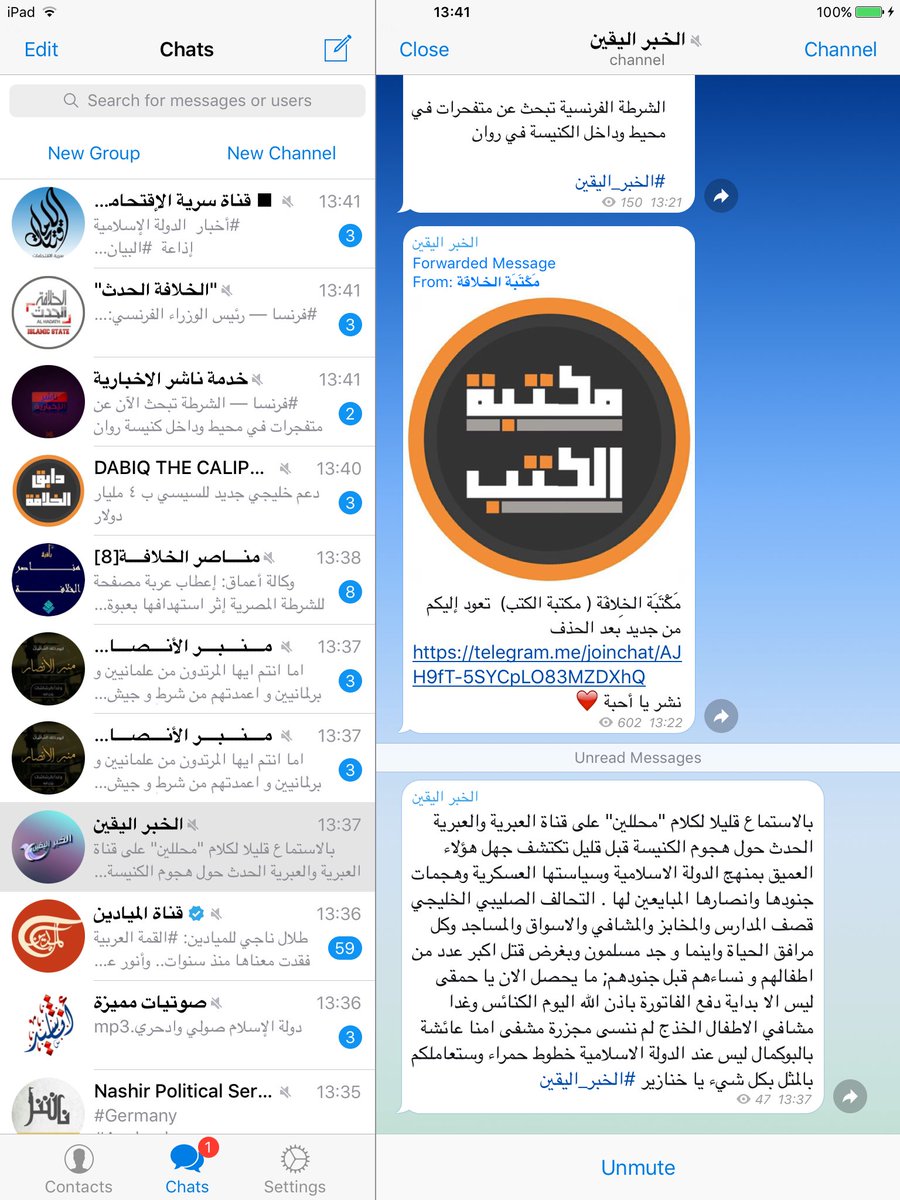
ISIS Beheaded the Priest, France

Daesh is no longer a small extremist group fighting in Syria and Iraq. It has become the most globalised Islamist terror group. Any world leaders willing to declare this including the White House or the U.S. State Department?

One of the nuns stated the Priest was forced to kneel before the terrorist.

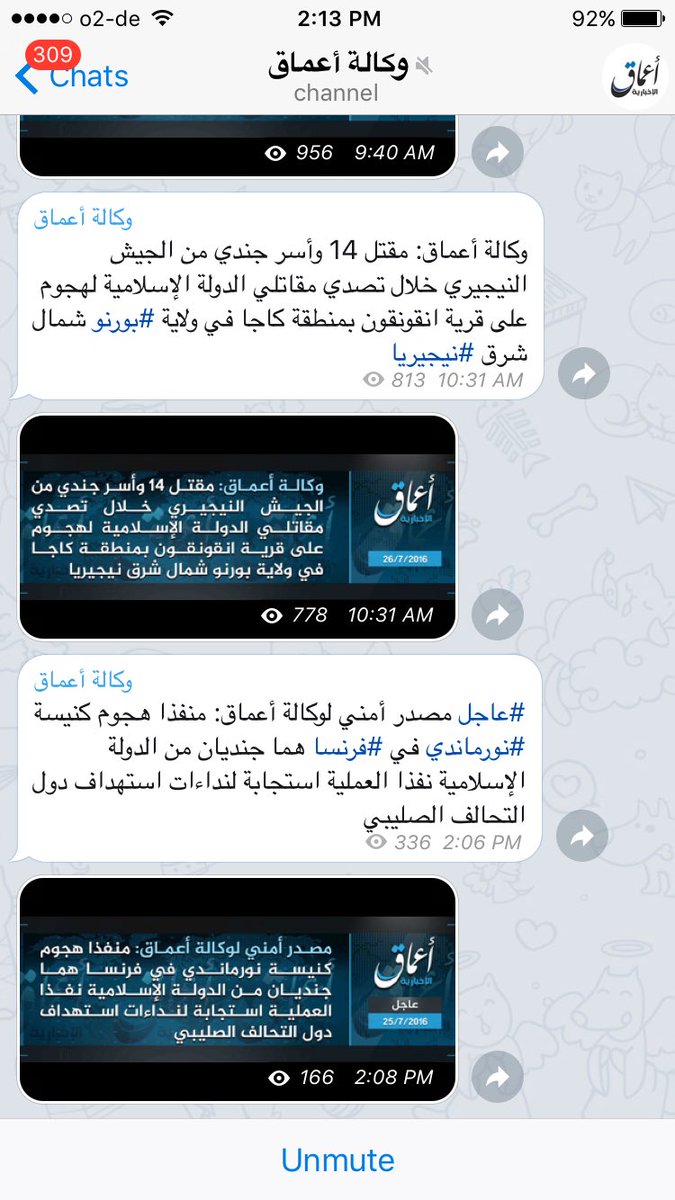
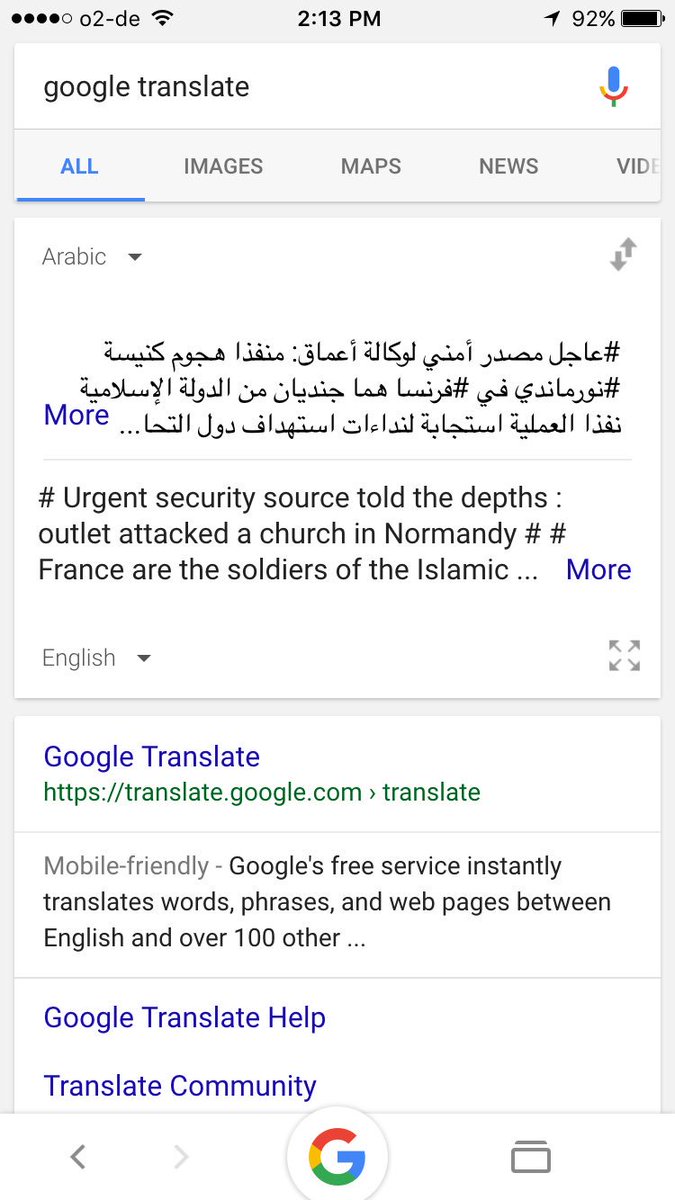
Yesterday #Isis affiliated channels were disseminating under the hashtag #TheArmyOfLoneWolves simple, but lethal ways & methods to kill.


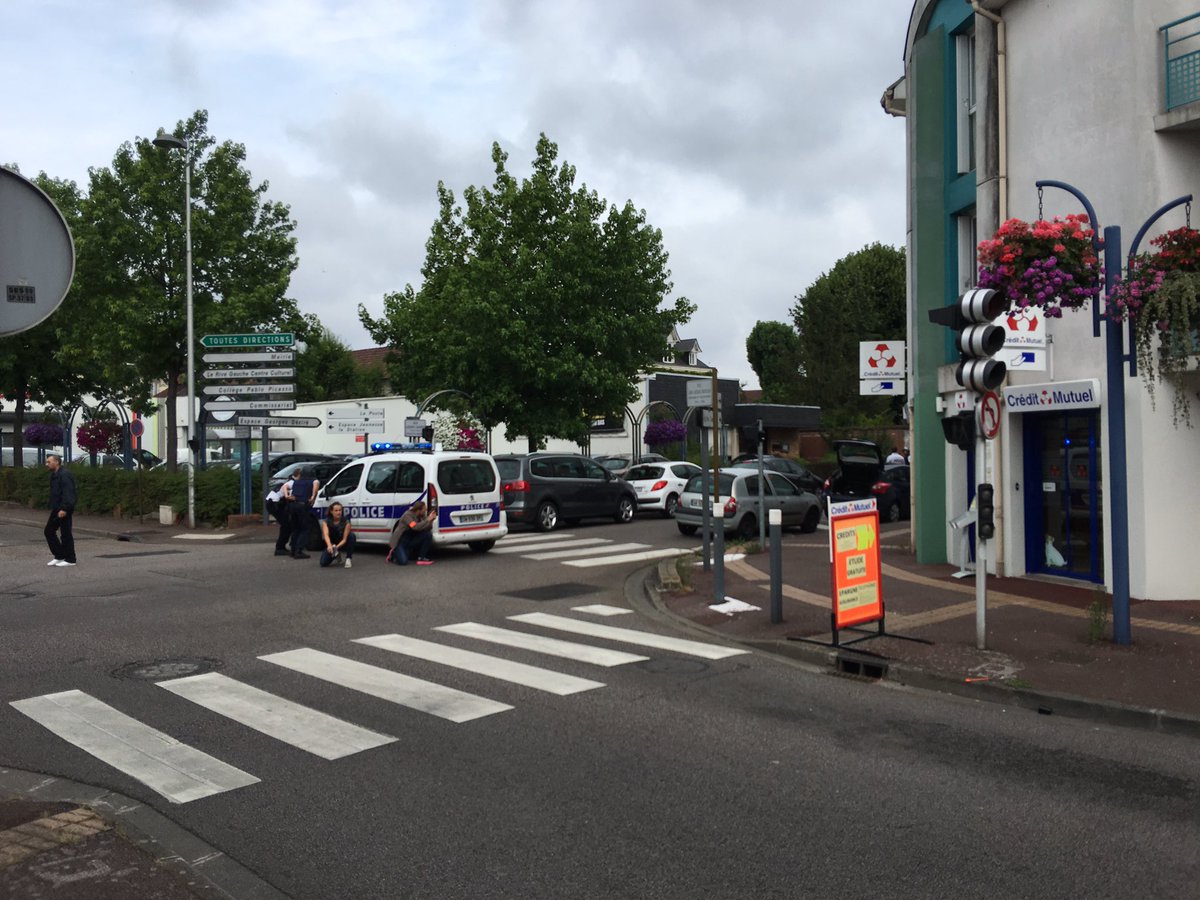
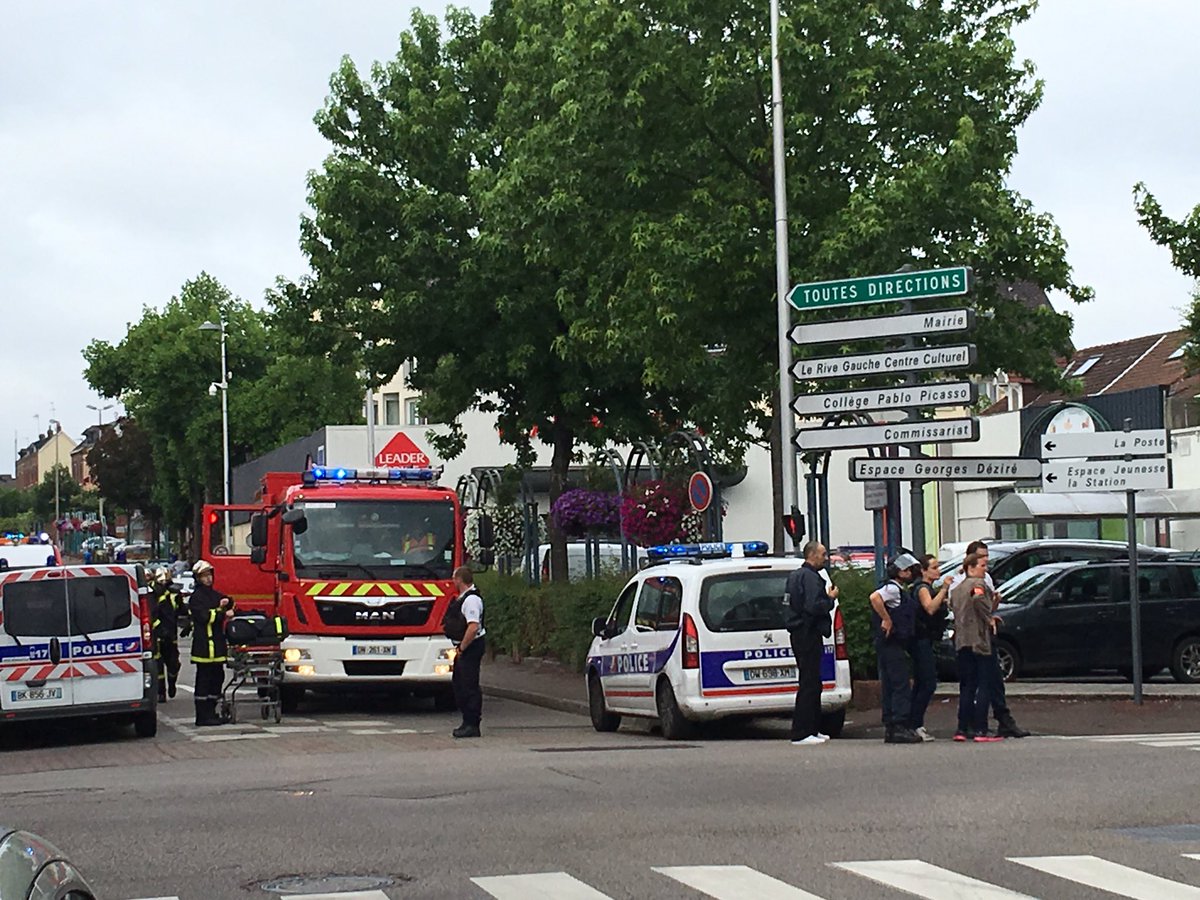
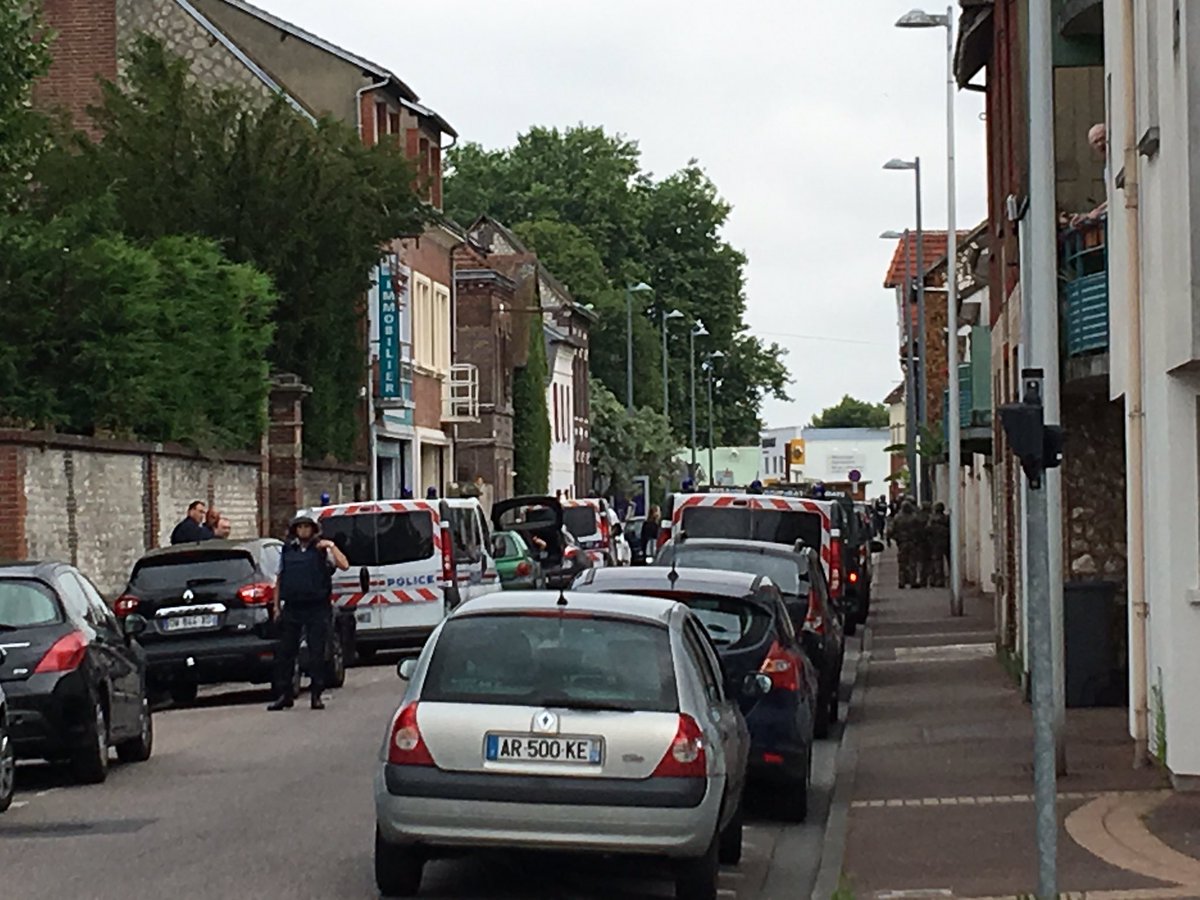
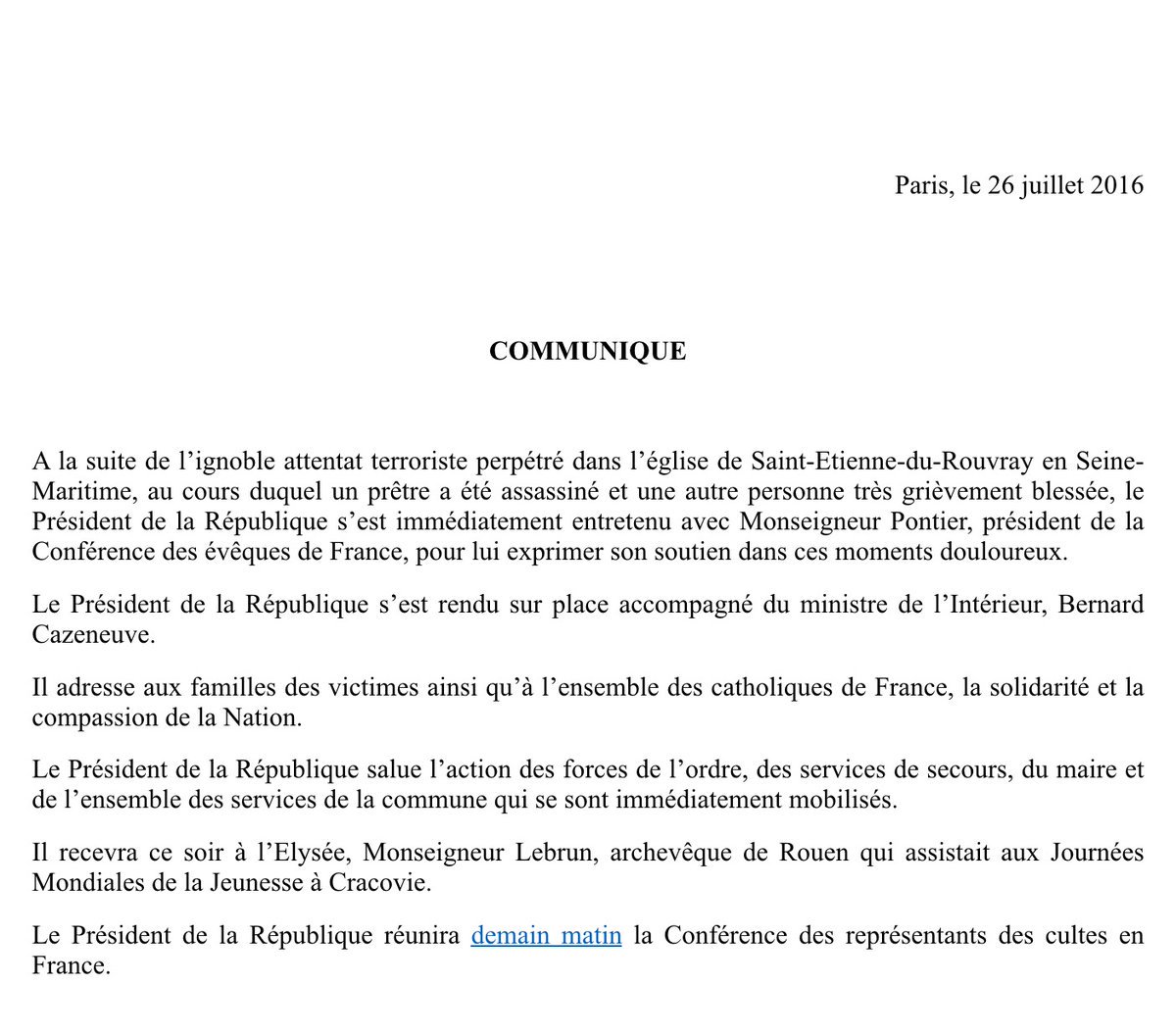
French President Hollande says attack at church outside Rouen carried out by “terrorists who claimed allegiance to ISIS.” According to French media Le Figaro, the two attackers slit the throat of a priest in the Church. Besides the slain priest, two nuns and two churchgoers had been taken hostage, CNN French affiliate BFMTV reported.

“today a church tomorrow a hospital…there are no red lines, it’s tit 4 tat 4m Isis.We deal back in kind.”

The hostage killed in the Saint Etiennedu Rouvray church attack was a priest: Rev. Jacques Hamel, age 84.


The attacker who spent time in French jail was under electronic bracelet surveillance after trying to go to Syria in 2015. The Pope is ‘pain and horror’ at France church hostage-taking according to a statement by the Vatican.

Anti-terrorism judges are to probe French church hostage-taking per the prosecutor, and both attackers are dead, shot by police.

There were reports the attackers shouted ‘Allahu Akbar’ as they ran outof the church while at least one of the men was dressed in Islamic clothing. It comes as it emerged that the building was one of a number of Catholic churches on a terrorist ‘hit list’ found on a suspected ISIS extremist last April.


Official statement by Francois Hollande:

 The most recent travel warning issued by the U.S. State Department due to recent terror attacks was for Turkey, nothing for France. As of the posting of this article, there have been no official statements from John Kerry or the White House.


Europe’s Training Programs the US can Use

At least this is forward thinking both in Germany and in the United Kingdom. By launching these programs, it is actually a declaration of terror problems in Europe and these are positive steps. Do you wonder if our own DHS or FEMA have a response on this? So do I.

German military training 100 Syrian migrants in pilot project

Reuters: The German military is training more than 100 Syrian migrants for civilian roles suited to helping the eventual reconstruction of their country, Defence Minister Ursula von der Leyen said in remarks released ahead of publication on Sunday.

Von der Leyen told the Frankfurter Allgemeine daily that the pilot program was focused on training migrants in a variety of areas such as technology, medicine and logistics.

It was not immediately clear if von der Leyen planned to expand the program to include more of the one million migrants who arrived in Germany last year.

“The idea is that they will go back to Syria one day and help with the reconstruction” of their war-shattered country, von der Leyen told the newspaper.

She said Germany could also play a role in training Syrian security forces once it had a responsible government.

Syrian refugees can carry out civilian tasks for the German military, but are not eligible to work as soldiers, she said.

Von der Leyen sparked controversy within her own Christian Democratic party recently when she suggested that EU citizens could in certain cases take over armed roles in the German military. The defense minister also advocates greater diversity in the German military and moves to recruit more immigrants.

*****

More than 500,000 public sector workers put through Prevent counter-terror training in bid to spot extremism

Exclusive: Training courses criticised as ‘inadequate’ while the strategy has been described as divisive

IndependentUK: More than half a million nurses, teachers, childminders and other frontline public sector workers have been put through a mass counter-terrorism training programme to help them spot and report potential extremists in their workplaces.

The Home Office has confirmed that of the 550,000 now trained in the controversial Prevent strategy, at least 150,000 are public-facing NHS staff, such as doctors and nurses.

They have all completed various online or classroom exercises to comply with a statutory Prevent duty that was forced on a wide range of public authorities by Theresa May as Home Secretary last year.

Related reading: The 14 page Prevent Duty document outline is here.

Aimed mainly at tackling Islamist extremists and far right white supremacists, it is one of the biggest counter-terror awareness programmes ever undertaken by the UK Government.

Some in the Muslim community and beyond feel Prevent is divisive; it creates a “climate of suspicion” and is an attempt to create a huge network of spies.

The training courses themselves, particularly those online, are also being criticised as “inadequate” and an exercise in box ticking that is not being taken seriously enough by attendees.

Under the Prevent strand of the Government’s counter-terror strategy, Contest, extremism is defined as “vocal or active opposition to fundamental British values, including democracy, the rule of law, individual liberty and mutual respect and tolerance of different faiths and beliefs”.

Anyone who “calls for the death of members of our armed forces” is also an extremist, according to the policy.

The Prevent duty requires a large range of public sector workers to be trained and also includes college lecturers, youth and social workers, probation officers and childcare providers.

But many Prevent trainees have simply clicked through online tutorials recommended by a Home Office catalogue.

Although most of the online courses are free and take about an hour to complete, one provider charges up to £30 a head for a module that uses a snakes and ladders game to teach people about paths to radicalisation.

Another provider listed on the Government’s Gov.uk website charges safeguarding officers in higher education £500 a head for a two-day classroom workshop.

Another course teaches people how to spot far right extremism by training social workers and police and probation officers for signs of anti-Semitism and Islamophobia.

Under the programme, people are taught how to spot the signs that someone maybe becoming radicalised.

These might be “reports of unusual behaviour, friendships or actions and request for assistance”, according to NHS documents.

Other signs could be “patients or staff accessing extremist material online”, or “artwork or literature promoting violent extremist messages or images”.

The Government wants to teach staff to contact their authority’s designated “Prevent lead” when they have concerns about an individual, such as a student or even a patient.

The Prevent lead will alert the police whenever the risk is deemed immediate or substantiated.

Prevent was introduced by the last Labour government, but it was transformed under Ms May. She widened its scope to include non-violent extremism in 2011 when she also encouraged many authorities to start training programmes.

Between 2011 and 2015, some 300,000 public sectors had received a form of training.

But The Independent has discovered that figure has now almost doubled as a result of the Counter-Terrorism and Security Act, which Ms May drove through last year.

The Home Office says that as a result of Ms May’s work, 1,000 people have been referred to the Government’s Channel initiative which tries to de-radicalise individuals.

Earlier this month, the Government’s education watchdog Ofsted warned that some schools and colleges were being too slow in complying with the Prevent duty.

But the Muslim Council of Britain, which has long opposed Prevent, said the mass training of public sector workers risked being “counterproductive”.

A spokesman said: “We need to be vigilant given the real threat of terrorism, and we therefore support effective measures to identify and report terrorist activity.

“However, we are not convinced about the effectiveness of a programme requiring hundreds of thousands of people to look for signs of what they perceive to be behaviour that potentially leads to terrorism. We are instead likely to see many false flags in an inconsistent approach that is applied in a discriminatory way.

“This runs the risk of being –as the parliamentary Joint Committee on Human Rights said on Friday –counterproductive to our goal of a safe and secure nation.”

The campaign group Students Not Suspects, who say the Prevent strategy unfairly targets black and Muslim students, said in a YouTube video in April: “The Prevent duty under the Counter-Terrorism and Security Act forces colleges and universities to spy on students. They’ll say this is to safeguard students but in reality it is creating a climate of suspicion around students’ political and religious views.

“Prevent is silencing students, promoting a culture of surveillance and self-censorship and undermining our universities and colleges as spaces for free and rigorous debate.”